Hampi is a UNESCO World Heritage Site in Karnataka's Bellary district, built around the ruins of the 14th-century Vijayanagara Empire capital. It sits on the Tungabhadra River, about 350 km from Bangalore, and is known for its boulder-strewn landscape dotted with temples, royal structures, and the famous stone chariot.
Hampi is a UNESCO World Heritage site in northern Karnataka, about 350 km from Bangalore, known for 14th-century Vijayanagara Empire ruins scattered across a boulder-strewn landscape. Two to three days is enough to cover the main temples, the stone chariot at Hampi Bazaar, bouldering, and a coracle ride across the Tungabhadra to the laid-back Hippie Island side.
On This Page
About Hampi
Hampi sits on the banks of the Tungabhadra River in Karnataka's Bellary district and was once the capital of the Vijayanagara Empire, one of the wealthiest cities in the world during the 14th and 16th centuries. What remains today is a sprawling open-air museum — over 1,600 surviving structures spread across roughly 26 square kilometres of granite boulder terrain, split into two main zones: the temple-heavy Hampi Bazaar side and the quieter, backpacker-friendly Hippie Island (Virupapura Gaddi) across the river.
The site was inscribed as a UNESCO World Heritage Site in 1986, and its mix of dramatic landscape and dense, well-preserved Dravidian architecture makes it one of South India's most photographed destinations.
How to Reach Hampi from Bangalore
The nearest railhead and main transit point is Hospet, about 13 km from the ruins. Here's how the main options compare:
| Mode | Duration | Notes |
|---|---|---|
| Cab from Bangalore | 6-7 hrs (~350 km) | Door-to-door, flexible stops via NH150A |
| Overnight train to Hospet | ~8–9 hrs | Budget-friendly, arrives early morning |
| Volvo/sleeper bus | ~8–9 hrs | Cheapest, less comfortable for the return leg |
| Flight to Hubli + cab | ~1 hr flight + 2.5 hr drive | Fastest, useful if short on time |
A pre-booked cab is the most comfortable option for families or groups, since you can stop at Chitradurga Fort en route and skip the hassle of local transport once you're in Hampi itself, where auto-rickshaws and rented scooters are the only way to get between sites.
Entry Fees & Costs in Hampi
| Item | Cost (₹) | Notes |
|---|---|---|
| Vittala Temple complex entry | ₹40 (Indians), ₹600 (foreigners) | Joint ticket also covers Zenana Enclosure |
| Virupaksha Temple entry | ₹10 + camera fee ₹50 | Free for darshan; fee for photography |
| Coracle ride across Tungabhadra | ₹30–50 per person | Shared boat; private hire costs more |
| Local guide (half-day) | ₹800–1,200 | Hired at Virupaksha Temple entrance |
| Scooter rental (per day) | ₹300–400 | Most practical way to cover both sides |
| Cab, Bangalore–Hampi (one way) | From ₹5,299 | Dzire/Swift; Ertiga and Innova Crysta also available |
3-Day Hampi Itinerary
Day 1 — Hampi Bazaar & Virupaksha Temple
Start at the Virupaksha Temple, Hampi's oldest functioning temple, dedicated to Lord Shiva and still active for daily worship. Walk through Hampi Bazaar's ruined colonnades, then head to the riverside Vittala Temple complex to see the iconic stone chariot and the musical pillars. End the day watching sunset from the small Hemakuta Hill temple cluster.
Day 2 — Royal Enclosure & Hippie Island
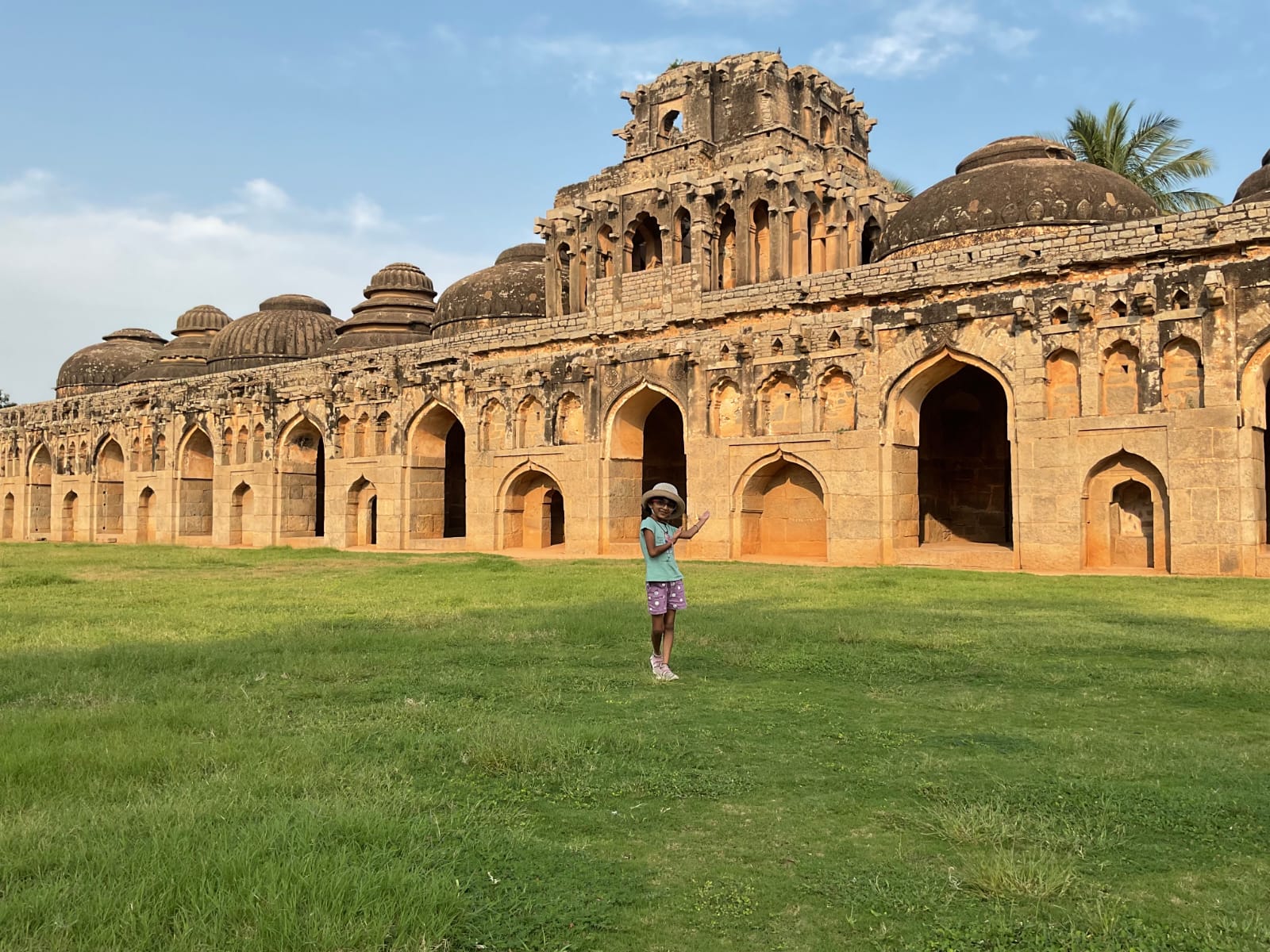
Morning at the Royal Enclosure — the Lotus Mahal, elephant stables, and the stepped Pushkarani tank. Cross the river by coracle in the afternoon to Virupapura Gaddi (Hippie Island) for a slower pace, rice-paddy views, and cafes overlooking the boulders.
Day 3 — Bouldering & Matanga Hill Sunrise
Catch sunrise from Matanga Hill, one of the best viewpoints over the entire ruin field. If you climb, Hampi is one of India's best bouldering destinations — several outfitters near Hippie Island rent gear and offer guided sessions on the granite formations.
Top Things to See & Do
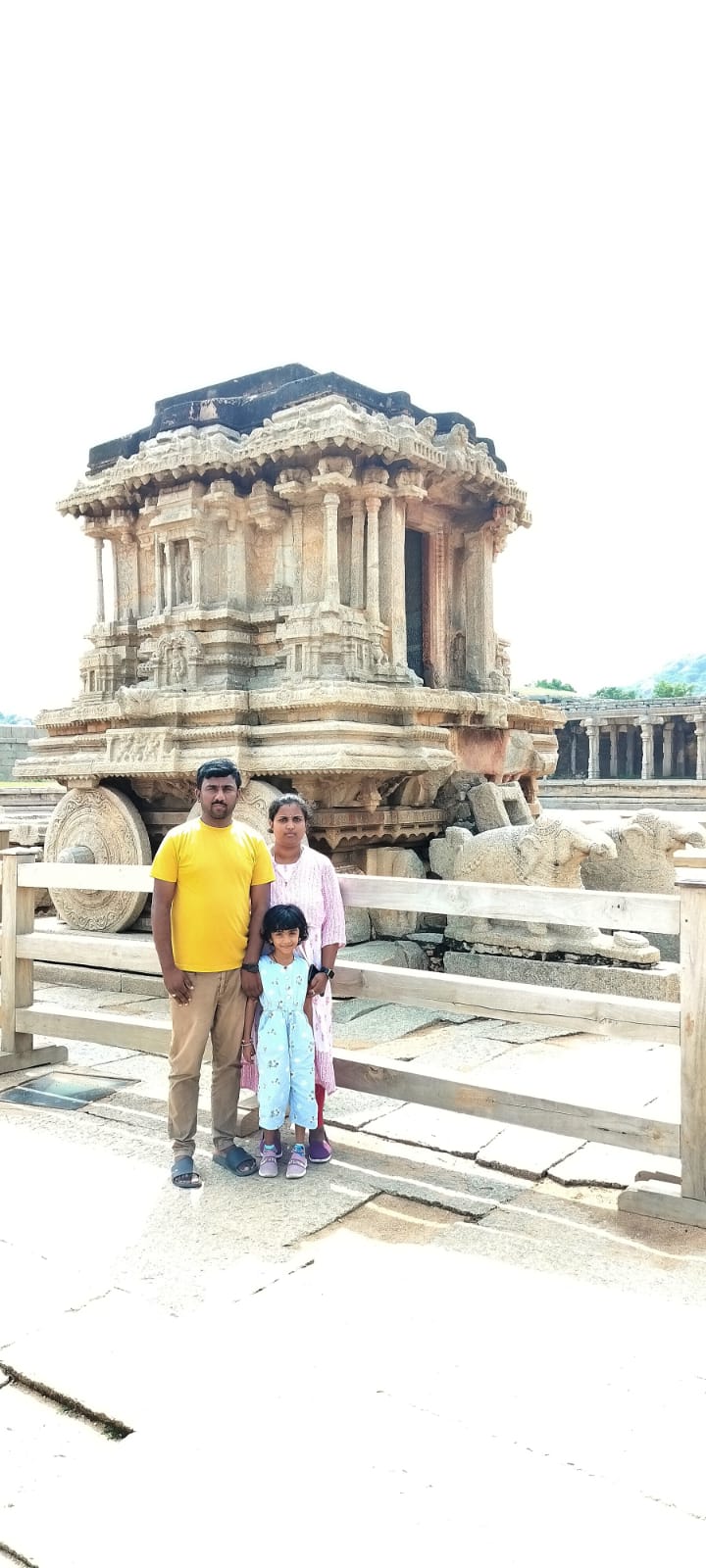
- Vittala Temple & Stone Chariot — Hampi's most photographed structure, a stone replica of a temple chariot with rotating stone wheels.
- Virupaksha Temple — the still-active temple with a 50-metre gopuram visible from across the bazaar.
- Lotus Mahal & Elephant Stables — Indo-Islamic architecture in the Royal Enclosure, built for the Vijayanagara court.
- Coracle ride on the Tungabhadra — a round bamboo-and-hide boat crossing between the two sides of Hampi.
- Bouldering — granite boulder formations across the landscape attract climbers from across the world.
- Matanga Hill sunrise/sunset — a short, steep climb rewarded with the best panoramic view of the ruins.
Where to Stay
Hampi Bazaar side has heritage-style guesthouses close to the main temples, ideal if you want easy access to the monuments and don't mind a livelier area. Hippie Island, across the river, has a more relaxed, cafe-driven backpacker scene with riverside cottages — better suited to longer, slower stays. Hospet town, 13 km away, has more conventional hotels and is a practical base if you're arriving late by train or bus.
Practical Tips
- Visit between October and February — summers regularly cross 40°C and make walking between sites uncomfortable.
- Carry cash; card payments and ATMs are limited once you're away from Hospet town.
- Wear sturdy walking shoes — most sites involve uneven stone paths and short climbs.
- Hire a local guide at the Virupaksha Temple entrance for historical context the signage doesn't cover.
- Start sightseeing early; many ruins have no shade and afternoons get punishingly hot even in winter.
Frequently Asked Questions
How many days do you need in Hampi?
Two full days cover the major sites comfortably, but three days let you add bouldering, a sunset at Matanga Hill, and a slower morning on the Hippie Island side without rushing.
What is the best way to reach Hampi from Bangalore?
The most comfortable option is a chauffeur-driven cab, which takes 6-7 hours covering ~350 km via NH150A. Overnight trains to Hospet and buses are cheaper but slower alternatives.
Is Hampi safe to travel to as a solo traveller?
Yes, Hampi is generally safe and popular with solo and backpacker travellers. Stick to well-lit areas after dark, avoid climbing boulders alone at dusk, and use a coracle only with a licensed operator.
What is the best time of year to visit Hampi?
October to February offers the most comfortable temperatures for exploring ruins on foot. Summers from March to May are extremely hot, often crossing 40°C, and best avoided.